This guide is written for you — the plant manager, operations director, or CEO of a manufacturing company with 50 to 500 employees who knows change is necessary but can’t afford to disrupt the line to make it happen. We’ll walk through a practical framework: how to diagnose your current state, where to prioritize, how to run a low-risk pilot, and how to scale intelligently once you have proof it works.
Why So Many Manufacturers Get Stuck Before They Start
The hesitation is understandable. Production environments are unforgiving. A poorly timed system change can stall output, confuse operators, and create exactly the kind of chaos you were trying to eliminate. So instead of acting, many companies wait — for a better moment, a clearer roadmap, a larger budget — and the gap between them and their more agile competitors quietly widens.
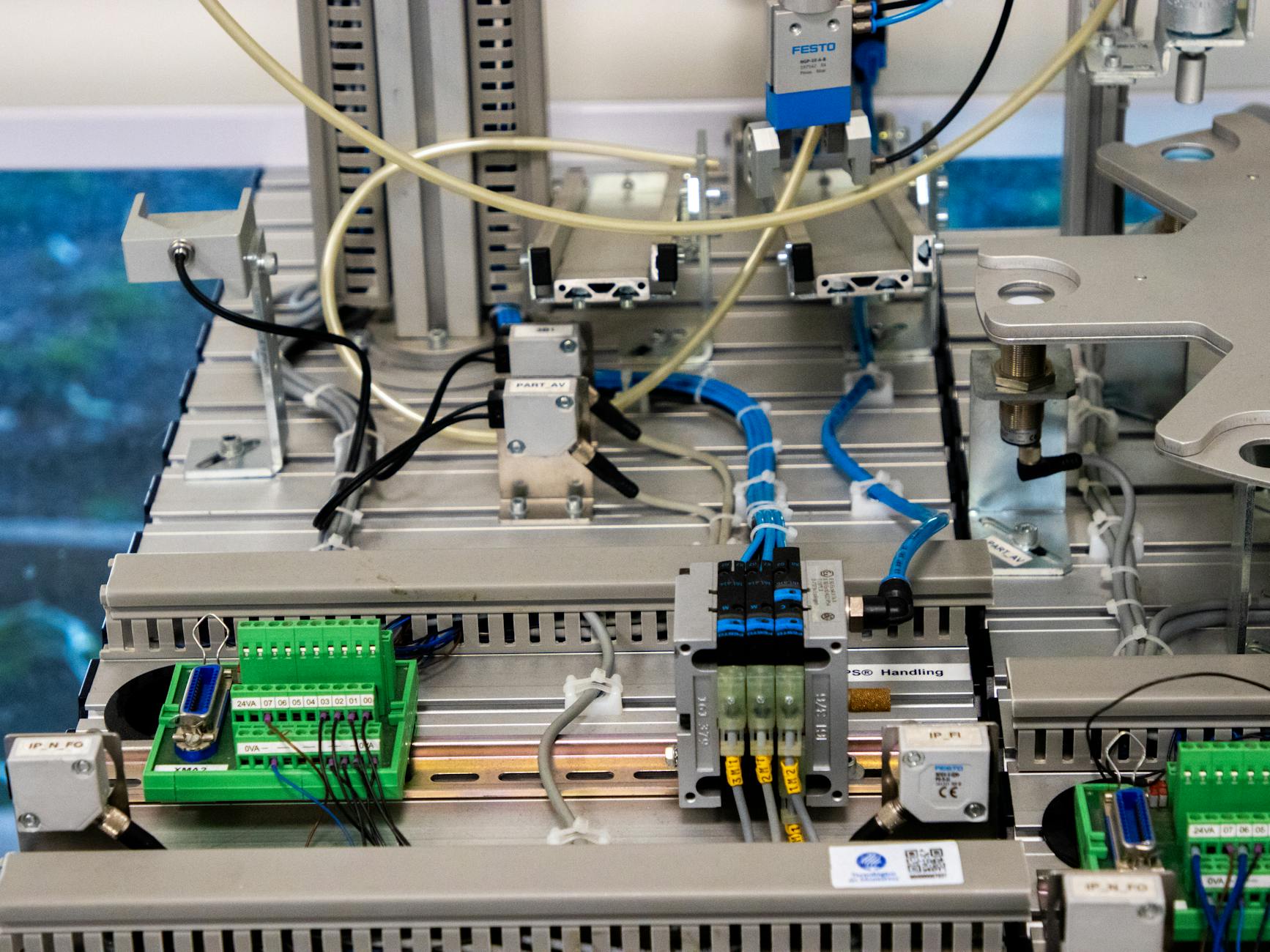
The irony is that the risks of digitalization are almost always overstated, while the risks of not digitalizing are consistently underestimated. Manual tracking creates invisible losses: components that go missing, production stages that can’t be verified, reporting that takes days instead of minutes. These aren’t dramatic failures — they’re slow, steady drains on efficiency and margin that rarely get attributed to their real cause.
The solution isn’t to take a leap of faith. It’s to start small, prove value fast, and expand from a position of confidence. Here’s how to do that.
Step 1: Run a Diagnostic — Understand Your Actual Process Before Touching Anything
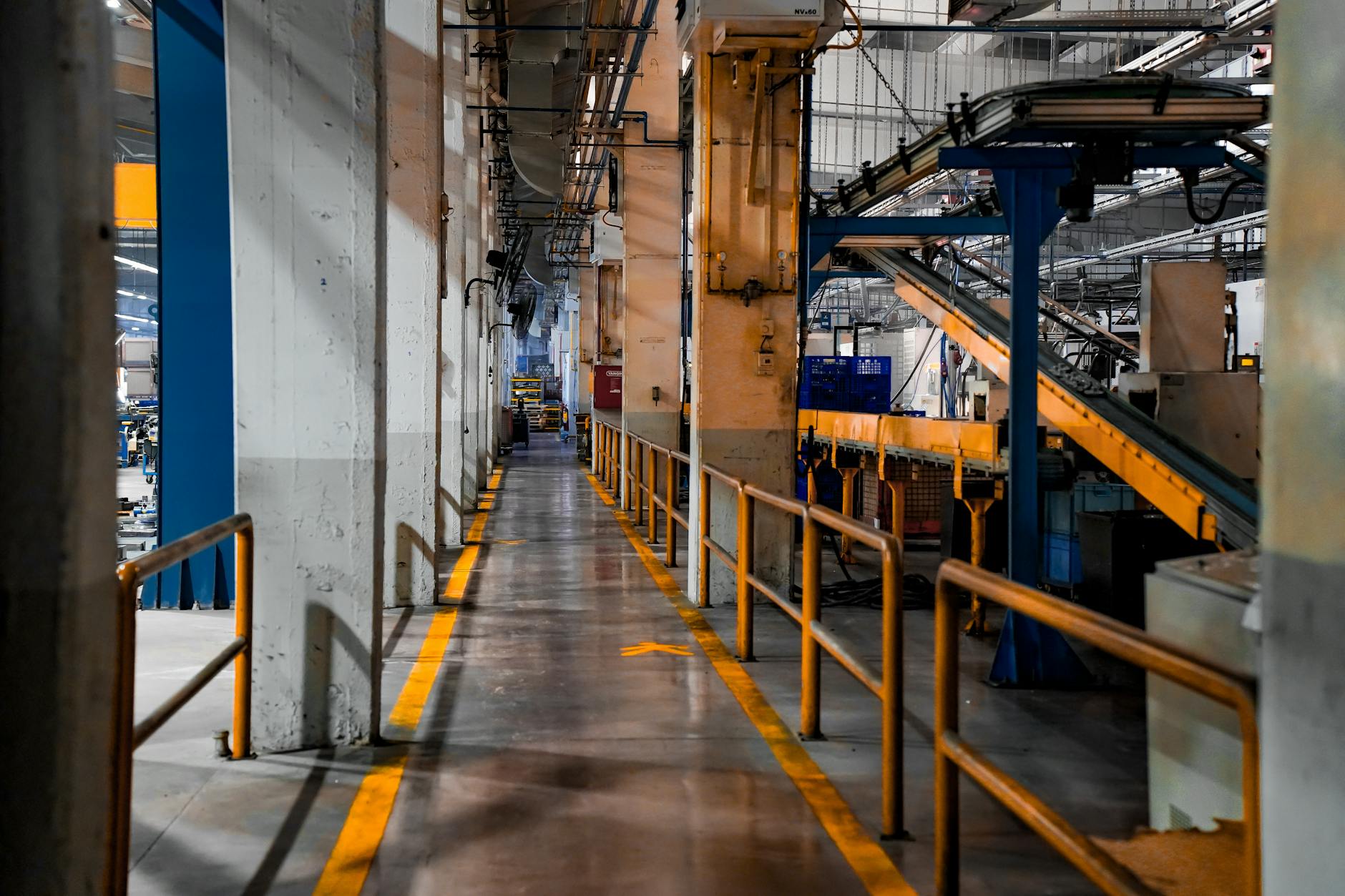
Before selecting tools or writing any specifications, you need an honest picture of how your production actually runs — not how the process map says it runs, but what happens on the floor every day. These two things are often very different.
A useful diagnostic focuses on three questions:
- Where does information disappear? Look for the points where a physical object — a component, a pallet, a finished unit — moves from one stage to the next without any digital record being created. These gaps are your highest-risk zones.
- Where is data created but never used? Many factories collect data in spreadsheets or printed forms that no one ever analyzes. This isn’t digitalization — it’s digitized paperwork. Identify where data collection exists in name only.
- Where do decisions take longest? If a production manager has to physically walk the floor to answer a status question, or if weekly reporting requires hours of manual aggregation, those delays are symptoms of missing real-time visibility.
Start with a structured conversation with your floor supervisors and logistics leads. Ask them where they lose time, where they lose things, and what questions they can never answer quickly. The patterns that emerge will tell you more than any process audit.
Document your findings. You’ll need them in the next step. Or let us help you with our Digital Data Flow Analysis service.
Step 2: Prioritize by Pain, Not by Technology
One of the most common mistakes in manufacturing digitalization is starting with a technology — “we should implement RFID” or “we need a WMS” — rather than starting with the problem that needs solving. Technology choices should follow from pain points, not precede them.

Once you have your diagnostic findings, rank your pain points by two criteria: how frequently does this problem occur, and what does it cost when it does? The intersection of high frequency and high cost is where you start.
In Estonian manufacturing, some of the most common high-priority areas we see are:
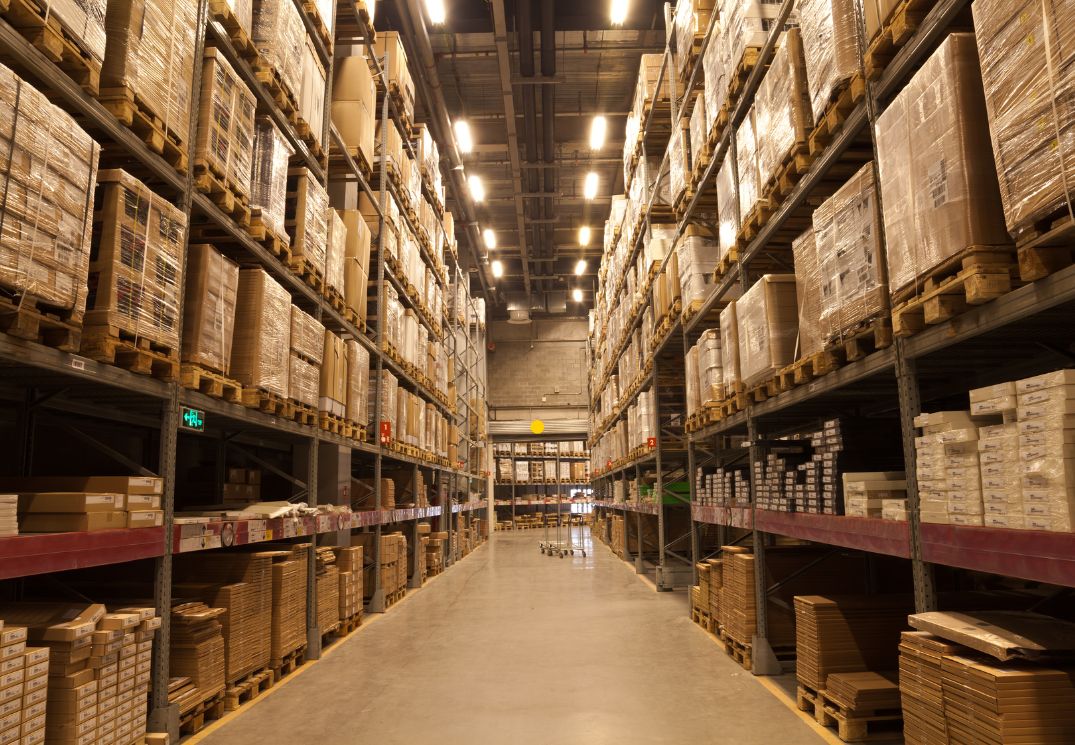
- Warehouse and inventory visibility — not knowing what stock is on hand, where components are located, or when materials will run out until it’s already a problem
- Production stage tracking — inability to verify which production step a batch or unit has reached in real time, creating bottlenecks and compliance headaches
- Dispatch and shipping accuracy — manual picking and packing processes that introduce errors and slow throughput
- Reporting latency — management decisions being made on week-old data because aggregating current figures takes too long
Pick one. Just one, for now. The goal of your first digitalization initiative is not to solve everything — it’s to prove that change is possible without disruption, and to build the organizational confidence that makes the next step easier.
Step 3: Run a Controlled Pilot — Prove It Works on One Line Before Scaling
A pilot is not a test of the technology. It’s a test of the change. This distinction matters because the technology — whether RFID scanning, barcode-based tracking, or production management software — is typically reliable. What’s harder to predict is how your people will adapt, where your data quality needs work, and what process adjustments are required to make the system useful rather than burdensome.
Design your pilot around a single production line, a single warehouse zone, or a single process step. Define what success looks like before you start — in concrete, measurable terms. Not “the system is running” but “picking errors are down 40%” or “shift reports are generated automatically in under two minutes.”
Run the pilot in parallel with your existing process for the first two to four weeks. Don’t abandon your paper backup until you’ve confirmed that the digital system is producing accurate, consistent data. This parallel running period feels redundant, but it’s what makes pilots safe — and it’s what gives your operators confidence rather than anxiety.
Capture everything during the pilot: what worked immediately, what required adjustment, what questions operators asked, and what the numbers show. This documentation becomes the foundation of your scaling playbook.
Step 4: Scale What Works — Systematically, Not All at Once
A successful pilot gives you something rare in manufacturing: a change that’s already happened, already working, and already accepted by the people who work with it every day. Use that momentum wisely.
Scaling doesn’t mean deploying everywhere simultaneously. It means extending the proven approach to adjacent areas — the next production line, the next warehouse zone, the next process step — using the same methodology. Each new deployment gets faster because your team already knows the pattern, your operators have seen it work, and your IT and operations leads have solved the integration challenges once.
This is also the stage where investment in a unified platform pays off. When your warehouse management, production execution, and asset tracking systems share a common data layer, the reporting and visibility you get isn’t just the sum of the parts — it’s genuinely different in kind. Management decisions that used to require a week of manual aggregation can be made in an afternoon, or in real time.
Companies like Orkos, a manufacturing operation that implemented RFID-based warehouse and production tracking, found that this kind of integrated visibility enabled something in addition to increased speed and quality: compliance with international standards that had previously been difficult to demonstrate. Real-time tracking generates an automatic audit trail. Viking Window, which automated production stage tracking and dispatch, saw throughput gains because the data they were now collecting revealed bottlenecks they hadn’t known existed. Aru Grupp gained the production planning visibility to make strategic decisions based on current data rather than estimates.
These aren’t transformations that required shutting down the whole plant. They were built step by step, starting with one process, one zone, one question that needed a faster answer.
A Note on Funding: EAS Grants for Manufacturing Digitalization
For Estonian manufacturing companies, it’s worth knowing that Enterprise Estonia (EAS) offers support programs specifically aimed at SME digitalization, including manufacturing process improvements. While grant terms and eligibility change over time and you should verify current conditions directly with EAS, these programs have historically helped companies offset a meaningful portion of digitalization project costs — particularly for the analysis and implementation phases.
If budget is a barrier to getting started, a preliminary digitalization analysis is often an eligible first step. It’s worth checking whether your project qualifies before assuming you need to fund everything internally.
The Most Important Thing: Starting Is the Hard Part
Production process digitalization in Estonian manufacturing isn’t a single project with a finish line. It’s a capability you build over time — a systematic ability to capture, move, and act on data that currently lives in people’s heads or on paper. Each step you take makes the next one easier, and each improvement you achieve changes the baseline from which you measure what’s possible.
The manufacturers who are furthest ahead didn’t start with a grand digital transformation strategy. They started with one process, one problem, one measurable improvement. And then they did it again.
The question isn’t whether your production floor will be digitalized five years from now. It will be, one way or another. The question is whether you’ll be the one driving that change, or catching up to it.
Ready to Take the First Step?
IDsys works with Estonian manufacturing companies at every stage of this journey — from initial diagnostic through hardware and software implementation and ongoing optimization. Our approach starts with a consultation and preliminary analysis, so you understand exactly what’s possible and what it will cost before committing to anything.
If you’re a plant manager or operations director who knows digitalization is overdue but isn’t sure where to start, we offer a free production digitalization assessment. We’ll look at your specific processes, identify your highest-priority opportunities, and give you a clear picture of what a low-risk first step looks like for your operation — no obligation, no disruption to your line.
We’ll help you in making the first steps. Reach out through our website or contact us directly to schedule a conversation with one of our implementation specialists.